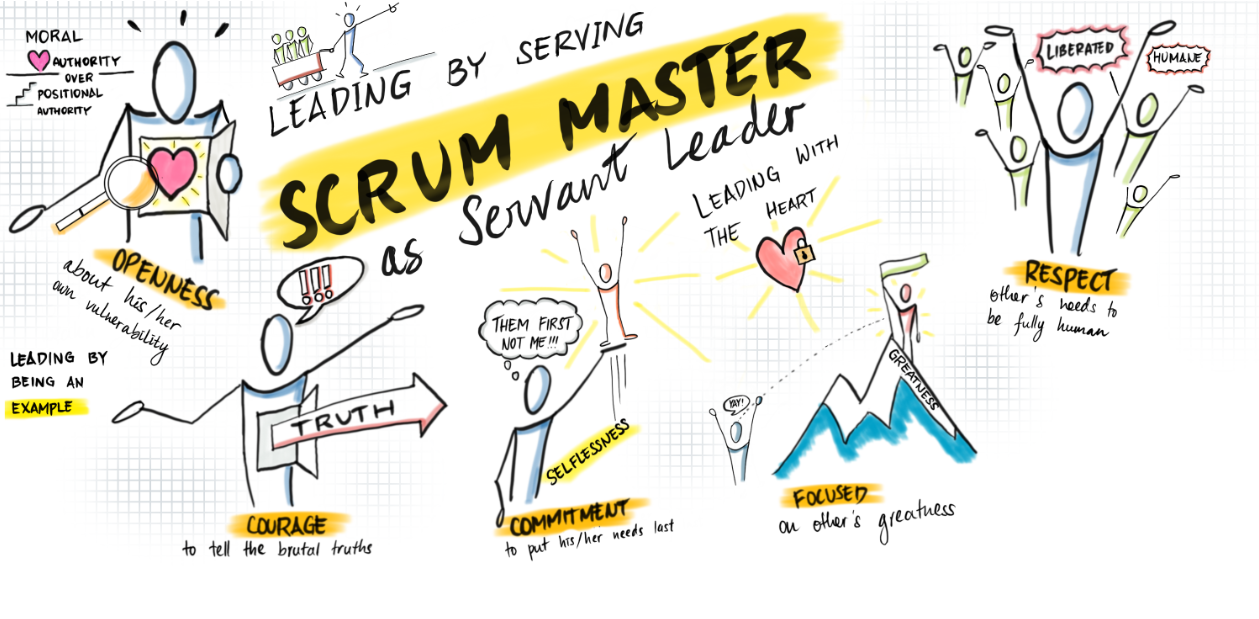
In Agile frameworks like Scrum, the Scrum Master is pivotal to a team’s success. This role goes far beyond simply scheduling meetings; it’s about guiding the team to embrace Agile principles and continuously improve. But is the Scrum Master merely a facilitator, or do they also serve as a leader? In this article, we explore the evolving responsibilities of the Scrum Master, blending facilitation with leadership in a way that resonates with both technical teams and business stakeholders.
Scrum Master Essentials
- Guardian of the Scrum Framework
A Scrum Master ensures that Scrum is not just a process on paper but a living, breathing practice. They help the team understand and adopt every element—from sprint ceremonies and roles to backlogs and increments.
Key Actions:- Educate: Bring new team members up to speed on Agile values and Scrum practices.
- Facilitate: Run Scrum ceremonies that are purposeful and efficient.
- Remove Impediments: Actively clear obstacles that hinder the team’s progress.
- Servant Leadership
True leadership in Scrum means putting the team first. The Scrum Master champions an environment where every team member can perform at their best, fostering collaboration and ownership.
Key Actions:- Listen Actively: Understand the team’s challenges and needs.
- Empower: Encourage the team to take charge of their decisions and solutions.
- Shield: Protect the team from external distractions and pressures.
- Coach and Mentor
Beyond facilitating events, the Scrum Master is a trusted mentor who nurtures Agile thinking within the team. They guide continuous improvement and inspire innovation through regular feedback and reflection.
Key Actions:- Provide Constructive Feedback: Help the team refine processes and truly embrace iterative work.
- Facilitate Learning: Use retrospectives to foster a culture of learning and adaptation.
- Share Best Practices: Offer insights into effective sprint planning, user story refinement, and more.
The Facilitator Side of a Scrum Master
Focusing on Process Over Command
Facilitation means ensuring every voice is heard, without dictating outcomes. A good Scrum Master creates an environment where discussions are open and balanced.
Example:
During a sprint retrospective, the Scrum Master might prompt quieter team members to share their thoughts while gently curbing more dominant voices. Techniques like silent brainstorming or anonymous feedback can ensure that all perspectives are considered.
Encouraging Collaboration
Rather than leading conversations to a pre-set conclusion, a Scrum Master guides the team to self-organize and make decisions collectively.
Example:
In a daily standup, if a developer mentions an integration issue causing delays, the Scrum Master might ask, “Who else can help? What resources do we have?” This approach fosters team collaboration and shared problem-solving.
Neutral Conflict Management
When conflicts arise, the Scrum Master steps in as a mediator, helping team members resolve differences constructively.
Example:
If a QA engineer and the Product Owner disagree on acceptance criteria, the Scrum Master can facilitate a structured discussion to clarify viewpoints and reach a compromise that keeps the sprint on track.
The Leadership Side of a Scrum Master
Shaping the Team Culture
Even without formal authority, the Scrum Master influences the team by championing core Agile values like transparency, courage, and respect.
Example:
When a developer dismisses unit tests as unnecessary, a one-on-one coaching session can help underline the importance of technical excellence. Over time, this gentle guidance transforms habits and improves quality.
Driving Continuous Improvement
A Scrum Master is a catalyst for innovation, constantly challenging the status quo and encouraging the team to refine their processes.
Example:
Recognizing that sprint retrospectives have grown stale, a Scrum Master might introduce new formats like “Start, Stop, Continue” or “Sailboat” to rejuvenate the discussions. This fresh approach not only boosts engagement but also sparks actionable ideas.
Advocating for the Team
External pressures such as unrealistic deadlines can derail even the best teams. Here, the Scrum Master acts as the team’s advocate, negotiating priorities and protecting their focus.
Example:
If a marketing manager proposes adding features mid-sprint, the Scrum Master collaborates with the Product Owner to explain the impact, ensuring the team’s workload remains manageable and priorities are clear.
Real-World Scenario: Scaling Agile in a Growing Startup
Context:
A tech startup rapidly expands from two to five Scrum teams, moving from an informal, hybrid role to dedicated Scrum Masters to maintain consistency and foster growth.
Challenge:
While developers and stakeholders appreciated quick decisions in the smaller setup, scaling up introduced communication challenges and a need for stronger self-organization.
Solution:
- Standardization with Flexibility: Scrum Masters introduced consistent event cadences—daily standups, sprint reviews, and retrospectives—while adapting practices to each team’s context.
- Empowerment through Coaching: They coached teams on collaborative problem-solving and defended the teams against unrealistic deadlines.
Outcome:
- Improved Collaboration: Cross-team “Scrum of Scrums” sessions became platforms for shared learning.
- Increased Ownership: Developers grew more motivated as they took greater responsibility for their work.
- Sustainable Growth: Agile practices scaled effectively, preventing bottlenecks and ensuring steady feature delivery.
Balancing Facilitation and Leadership
The role of a Scrum Master is an elegant balancing act:
- Adapt Leadership Styles: Employ servant leadership to support the team, but be ready to provide direct guidance when necessary.
- Stay Neutral Yet Decisive: Encourage consensus-building, yet confidently coach the team when decisions stray from Agile values.
- Focus on Outcomes: Measure success by the team’s continuous delivery of value, not by adherence to a rigid process.
Conclusion
So, is a Scrum Master just a facilitator or also a leader? The answer is both. By expertly balancing facilitation with leadership, a Scrum Master creates an environment where teams can self-organize, continuously improve, and overcome challenges. This dual role not only boosts team productivity and cohesion but also ensures that Agile principles drive meaningful business outcomes. When executed with experience and finesse, this approach transforms a team’s dynamics, paving the way for sustainable success in today’s fast-paced business world.